IRD says expenses with both private and business use must be apportioned to reflect the business portion. Keep evidence of the spending and a reasonable record explaining the use. [1]
Start with the vehicle and the period
Write down the registration number, owner and dates covered by the calculation. Keep one set of records for each vehicle. If you replace the vehicle during the year, close the first record on the changeover date and open another. This prevents receipts and mileage from two vehicles being combined under one percentage.
A mobile technician may use a pickup for customer visits on weekdays and family errands at weekends. A clear record should show which journeys served the trade and how the annual figures were derived. Use the business purpose of each trip to explain the allocation, and have uncertain items reviewed before including them.
Keep a practical journey log
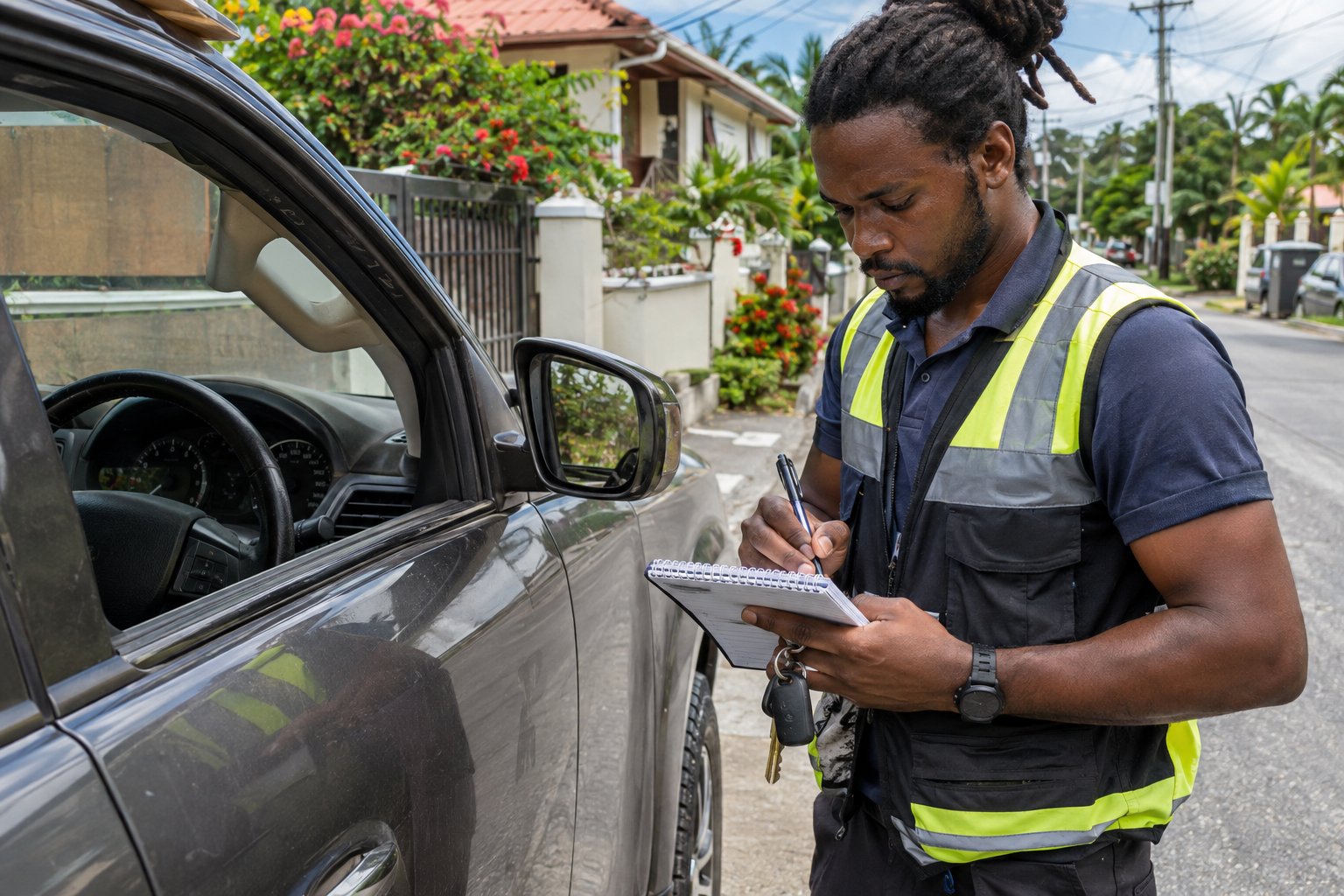
For each business trip, record the date, starting and ending odometer readings, destination and purpose. An invoice or job reference helps connect the trip with the work. Record the vehicle’s total distance over the same period so the business distance can be compared with all use. This log is an example of supporting evidence you can maintain.
Suppose you visit a customer to repair a pump and collect a replacement fitting from a supplier on the return trip. Note the customer and supplier stops so the purpose is clear. If you also make a personal detour, identify it in the log. A destination described only as town provides less information than a job reference and supplier name.
Collect the spending records separately
Keep fuel, repairs and other operating receipts organised by date and vehicle. Match card payments to the corresponding invoice where available. If the business pays the workshop directly, retain the invoice and payment evidence. If you pay from a personal account, record the actual expense and its source so the bookkeeper can trace it.
Use a worksheet with columns for date, supplier, receipt number, expense type and amount. A bank statement can help establish payment, while the receipt identifies what was purchased. A garage invoice for several services may need to be reviewed line by line. A receipt connected with another family vehicle belongs in that vehicle’s records.
Work through an illustrative allocation
Assume a vehicle travels 2,000 kilometres during a review period and the supported business trips total 1,200 kilometres. The business proportion by distance is 60%. If TT$3,000 of relevant operating costs is being apportioned on that basis, the illustrative business amount is TT$1,800 and the private portion is TT$1,200.
These figures demonstrate the arithmetic. They do not prescribe a standard percentage or establish that every listed expense qualifies. Ask the preparer whether a distance basis reasonably reflects the costs under review and whether particular items need separate treatment. IRD’s published principle is to apportion mixed-use expenses to the business share. [1]
| Illustrative entry | Amount or distance | Evidence |
|---|---|---|
| Total distance | 2,000 km | Opening and closing readings |
| Business distance | 1,200 km | Dated journey log |
| Business share | 60% | 1,200 divided by 2,000 |
| Operating cost pool | TT$3,000 | Receipts reviewed for treatment |
| Illustrative allocation | TT$1,800 | TT$3,000 multiplied by 60% |
Check direct business costs and unusual items
A cost connected with a particular business journey may need to be considered on its own facts. Identify what it paid for and keep the related job record. Similarly, a major repair following a specific event deserves a clear explanation. Give the preparer the invoice and circumstances so the treatment is based on the item itself.
Purchasing the vehicle raises different questions about the asset and any applicable allowances. Keep the purchase agreement and financing details in the asset file. Avoid placing the full purchase price into a monthly fuel-and-repairs worksheet. The same care applies to a loan payment that combines different components. Ask for those components to be identified.
Handle a month with incomplete records
If you began logging journeys halfway through the year, write down that limitation. Gather service records, job appointments and available odometer readings to help reconstruct the period. Distinguish contemporaneous entries from later estimates. Explain where each figure came from instead of presenting a reconstructed record as if it had been completed daily.
For example, a dated service invoice can support an odometer reading at a particular point. Customer invoices may show that you attended jobs during a week, but may not establish every kilometre driven. Have the preparer evaluate the evidence and decide how to address gaps. The purpose of the review is to reach a supportable position.
Reconcile the calculation to the accounts
At the end of the period, total the receipts, identify any excluded or separately reviewed items, and show the amount being allocated. Apply the supported business-use basis and retain the calculation with the evidence. Check that the same payment has not entered the books through both a card feed and a reimbursement entry.
If the owner takes money from the business to cover a personally paid receipt, cross-reference that transfer to the original expense. The transfer should not cause the expense to be counted a second time. A short note beside the entry can save another reviewer from having to reconstruct the trail from scratch.
Make the next month easier to review
Keep a logbook in the vehicle or use a consistent digital record that can be exported. Enter the purpose while the trip is fresh. Photograph receipts promptly and name the files with the date and supplier. At month-end, compare the log, receipt totals and bank entries before the next period begins.
A routine review also reveals mistakes such as a missing opening reading, a duplicated fuel receipt or an unexplained journey. Fix the record while the details are still available. IRD’s small-business guidance identifies vehicle operating expenses among costs that can contain both personal and business use, making clear records particularly relevant here. [2]
Questions business owners ask
Can I automatically use 60%?
The percentage is an illustration. Your own allocation needs evidence and a basis appropriate to the circumstances.
Does a fuel receipt prove the whole amount was business-related?
It proves a fuel purchase. The journey records and other evidence help explain how the vehicle was used.
What if my spouse also drives the vehicle?
Include the vehicle’s total use for the same period and identify supported business journeys. Discuss any shared-cost arrangement with the person preparing your accounts.
Should I use the employee travelling-dispensation form for this calculation?
That is a separate employer application concerning an employee or director’s allowance. Have your preparer identify which treatment applies to your actual arrangement.
Official references
Check the current source before making an application, as requirements and procedures can change.