Register the business identity through the applicable CROS route. Separately verify the qualifications, trade approvals, building permissions and safety measures applicable to the specific work; company registration does not by itself certify a person to perform regulated technical tasks.
Decide which jobs are within your capability
A plumber replacing a tap, a drainage contractor altering a system and a team installing commercial pipework have different job demands. The same is true for minor electrical repairs, rewiring and larger installations. Create a written scope that states services offered, technical qualifications, material responsibility and work excluded.
Do not advertise that a business-name certificate is an electrical or plumbing licence. For work that requires authorised tradespeople, inspections, utility clearance, drawings or building permission, consult the appropriate regulator, utility and local authority before quoting. Keep training, competency and insurance evidence current.
Select sole trader or company and complete CROS registration
An individual tradesperson may begin with a registered business name. A team with significant projects, equipment, employees or shared ownership may want to assess company incorporation. A separate legal company may affect contracting and liability, but professional advice is still warranted for high-risk work and guarantees.
Under the Registry's business-name process, create the necessary CRA, conduct a name search, reserve the business name, file the individual registration and complete the certificate step. The official published individual name-reservation fee is TT$20 and business-name registration fee is TT$220. For a company, the Registry publishes a separate incorporation process with director and incorporator requirements.
Quote the work in a way the client can audit
Break each quotation into diagnosis, materials, labour, equipment, travel, disposal, specialist testing where applicable and estimated completion. Identify which parts of the job rely on opening walls, accessing ceilings or finding concealed damage. If the work can change when a hidden condition is found, specify how a variation will be approved.
Use a numbered quote, proposed start window, deposit terms, completion milestones and a workmanship policy that you can actually fulfil. Clarify whether the client buys materials or reimburses the contractor, and how defective components, manufacturer warranties and workmanship claims will be handled. Save before-and-after photographs with consent.
Maintain site safety and assignment records
Prepare a basic hazard assessment for each site: power isolation, working at height, confined areas, excavation, tools, wet surfaces and public access, as relevant. Identify when a specialist tradesperson or authority must be involved. Safety and statutory compliance depend on actual tasks and premises, not on the business's marketing category.
For client confidence, keep a job file containing customer instructions, material receipts, site notes, change approvals, completion signoff and any test or inspection certificates produced by qualified personnel. These records support warranty questions and recurring maintenance work.
Know when employer paperwork starts
Hiring an apprentice, assistant or additional technician creates payroll and National Insurance considerations. NIBTT's employer requirements include registration within 14 days of hiring a first employee. Record who supervises trainees and which tasks they are permitted to perform.
A project subcontractor relationship should be assessed on its real terms, including control and responsibilities. Seek advice where classification is uncertain. Ensure contractor agreements allocate safety, materials and customer-communication responsibilities.
Keep equipment, tax and profit records
Record deposits separately from final payments, and track the cost of each job. Compare quoted labour hours and material costs to the amount actually used. An operator may appear busy while losing money on callouts with long travel times or repeated material purchases.
The Inland Revenue Division expects self-employed traders to keep books and records, maintain their BIR file and fulfil tax responsibilities. VAT registration has a published TT$600,000 commercial-supplies threshold over the applicable twelve-month period. Confirm tax status before adding VAT to invoices.
Build a trades business that clients can verify
Use a consistent legal trading name across the quotation, invoice, bank account and website. Publish accurate service areas, working hours, response expectations and verifiable certifications. Obtain permission before displaying a completed job or customer testimonial.
When ready, BizReg can assist with business-name registration, company incorporation, BIR/PAYE administrative support and cash-flow planning. CRA application assistance connected to another BizReg service carries no separate CRA service fee.
Questions customers ask
Does registering a business name authorise all electrical or plumbing work?
No. A CROS business-name registration establishes a trading identity. Verify technical qualifications, regulated-work requirements, permits and inspections separately.
Should I invoice before or after a job?
Use written quotes and clearly agreed deposits or milestones. Invoices should reflect work delivered, contractual terms and applicable tax rules.
Can an independent tradesperson register as a sole trader?
The Registry provides an individual business-name route. Choose the structure after assessing ownership, the intended contracts and exposure to risk.
Official sources and further reading
These official resources support the registration and compliance points. Check requirements with the relevant agency before filing or starting regulated work.
What BizReg can help you prepare
We can assist with sole-trader business-name registration, company incorporation, Companies Registry Account application support, BIR and PAYE preparation and cash-flow projections. CRA assistance is included when required with another purchased BizReg service; a standalone CRA-only request carries the separate per-applicant fee.
Tell us which activity you intend to register, who owns it, and what stage you have already reached. Use the qualified service enquiry form for a specific quotation.
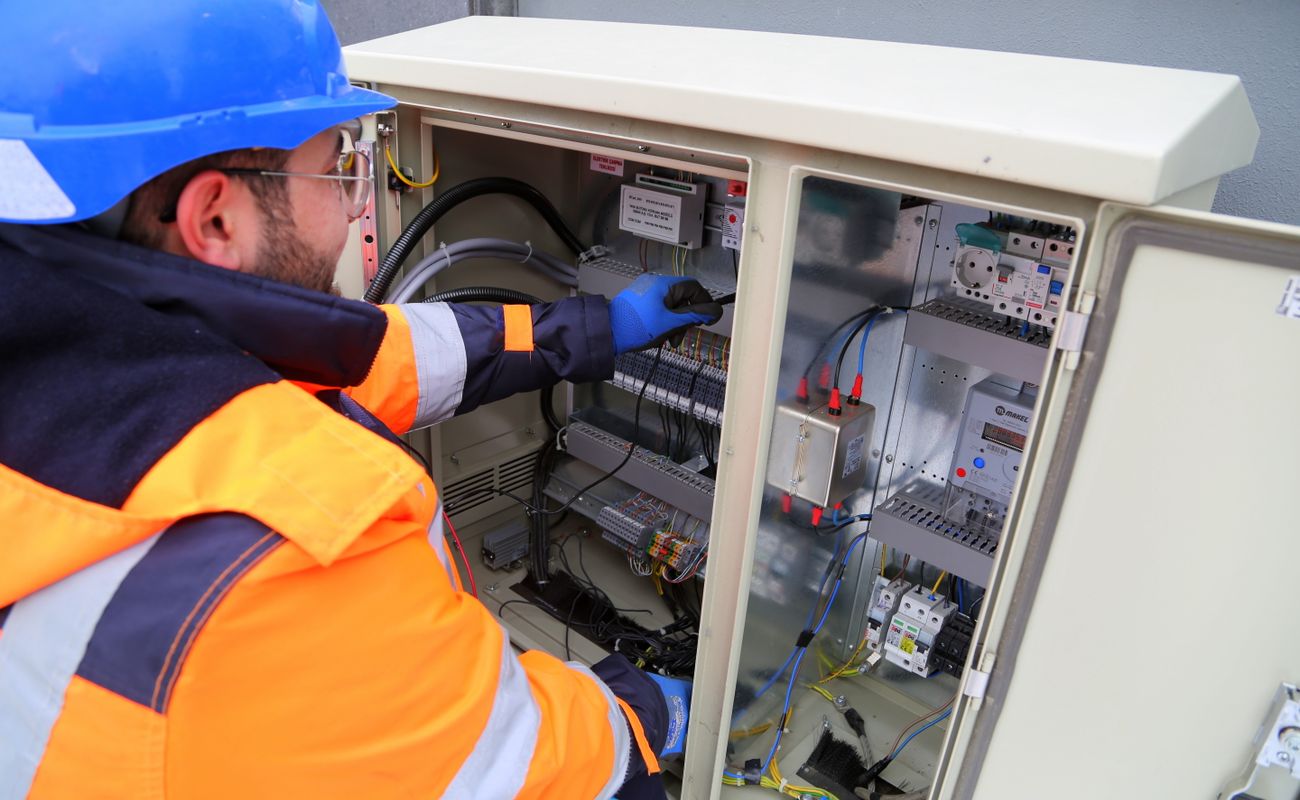
Article photograph: Fatih Yurtman / Pexels.
Information reviewed 30 October 2026. Registry, tax and sector approvals are administered by their respective authorities. This guide provides general business-administration information and is not individual legal, tax, accounting or technical certification advice.