A CROS registration provides a business identity. The Ministry of Health's published guidance says food premises must be inspected and registered by the responsible Public Health Department, and people handling food must complete applicable food-handler registration requirements.
Start with the type of catering you actually plan to sell
Weekly meal-prep tubs, baked goods, lunch delivery, event buffets and prepared frozen meals have different preparation, packaging, storage and transportation needs. Write a menu with ingredients, preparation methods, allergen risks and the temperatures needed during storage and delivery. A menu is an operational document as well as a marketing item.
A home address does not remove food-safety obligations. Before taking paid orders, confirm with the Public Health Inspectorate responsible for your proposed preparation area whether it may operate as a food premises and what approvals or alterations are required. Check the status of rented homes and shared kitchens before paying for equipment.
Register your business identity through CROS
Choose an individual business name or company structure according to the ownership and risks. Under the Companies Registry's current business-name route, the owner first creates a CRA to access CROS, chooses a name, obtains approval and reservation, completes the registration filing and follows the signed-document certificate process.
The Registry lists TT$20 for individual business-name reservation and TT$220 for the business-name filing, separate from any BizReg service charge. The name reservation is generally valid for 45 days. If you also form a company, use the distinct incorporation route and identify directors and other participants accurately.
Understand food premises registration before using a home kitchen
The Ministry of Health's 'Guidelines for Registration of Food Premises' identify premises where food is stored, prepared, processed or offered for sale for human consumption. The guidance requires registration through the responsible Public Health Department, inspection and registration before public opening, and annual registration; it states registration is due on or before 31 March and expires on 31 December.
The same guidelines direct operators of new premises or premises being modified for food use to seek the required layout and planning approvals before establishment. Ask the local authority what drawings, sanitary facilities, workflow, sinks, storage, pest controls and waste management arrangements apply to your actual setting. Do not start construction on the assumption that a home kitchen is automatically acceptable.
Check every food handler, not only the owner
The Ministry of Health's food-handler guidance identifies an application through the relevant Public Health Department or Inspectorate, a medical fitness certificate on the prescribed form, photographs, applicable fees and food-safety lectures. Requirements depend on whether this is a first registration, renewal or itinerant operation.
If relatives, delivery staff or part-time workers handle food as part of the operation, confirm with the inspectorate which people must be registered. Keep a dated list of food-handler documents and renewal dates. The food-handler registration process and the food-premises registration process are separate; one should not be assumed to substitute for the other.
Build a menu price that covers the full order
For each meal, calculate ingredient quantities, actual wastage, containers, labels, cooking fuel, delivery, payment charges and labour time. A weekly subscription may reduce planning uncertainty, while customer changes and missed deliveries can erase the margin. Create a clear cutoff for ordering, payment and cancellations.
Record allergen and special-diet requests carefully. State which meals are prepared on shared equipment and never guarantee that a food is allergen-free without the processes to substantiate that claim. Protect cold-chain and hot-holding arrangements during delivery according to the food-safety practices instructed by the relevant authority.
Separate tax, staffing and public-health responsibilities
A business-name certificate does not register a worker with NIBTT or satisfy food registration. If the operation hires employees, check employer registration, tax deductions, payroll and recordkeeping. NIBTT's published employer rules include registration within 14 days of hiring the first employee.
Track daily sales, ingredient purchases, wastage, cash and transfers. The Inland Revenue Division's VAT registration guidance currently uses TT$600,000 in commercial supplies in a preceding or anticipated twelve-month period; businesses should check whether the VAT registration obligation applies. The proper tax treatment should be determined from actual circumstances.
Opening checklist for caterers and meal-prep sellers
Confirm the menu and kitchen; obtain the correct business registration; discuss premises approval with the local Public Health Department; complete applicable food-handler registrations; prepare labels, ordering, storage and delivery records; set prices; and check tax and employer obligations.
BizReg can assist with the sole-trader business-name or company filing and associated administrative setup. For CRA assistance that is needed in connection with another BizReg service, no separate BizReg CRA service fee is charged; standalone CRA-only assistance is priced separately.
Questions customers ask
Can I run a meal-prep business from my home kitchen?
Do not assume that a residential kitchen is automatically acceptable for commercial food preparation. Ask the responsible Public Health Department about inspections, premises registration and approvals before trading.
Is a food-handler registration the same as registering a food premises?
No. Ministry of Health guidance describes distinct requirements for people handling food and for the premises where food is prepared or sold.
What is the first fee I should budget for?
Separate the Registry's applicable business filing fees, any public-health or premises charges, equipment, packaging and working capital. Confirm local authority charges directly rather than using an unverified flat fee.
Official sources and further reading
These official resources support the registration and compliance points. Check requirements with the relevant agency before filing or starting regulated work.
What BizReg can help you prepare
We can assist with sole-trader business-name registration, company incorporation, Companies Registry Account application support, BIR and PAYE preparation and cash-flow projections. CRA assistance is included when required with another purchased BizReg service; a standalone CRA-only request carries the separate per-applicant fee.
Tell us which activity you intend to register, who owns it, and what stage you have already reached. Use the qualified service enquiry form for a specific quotation.
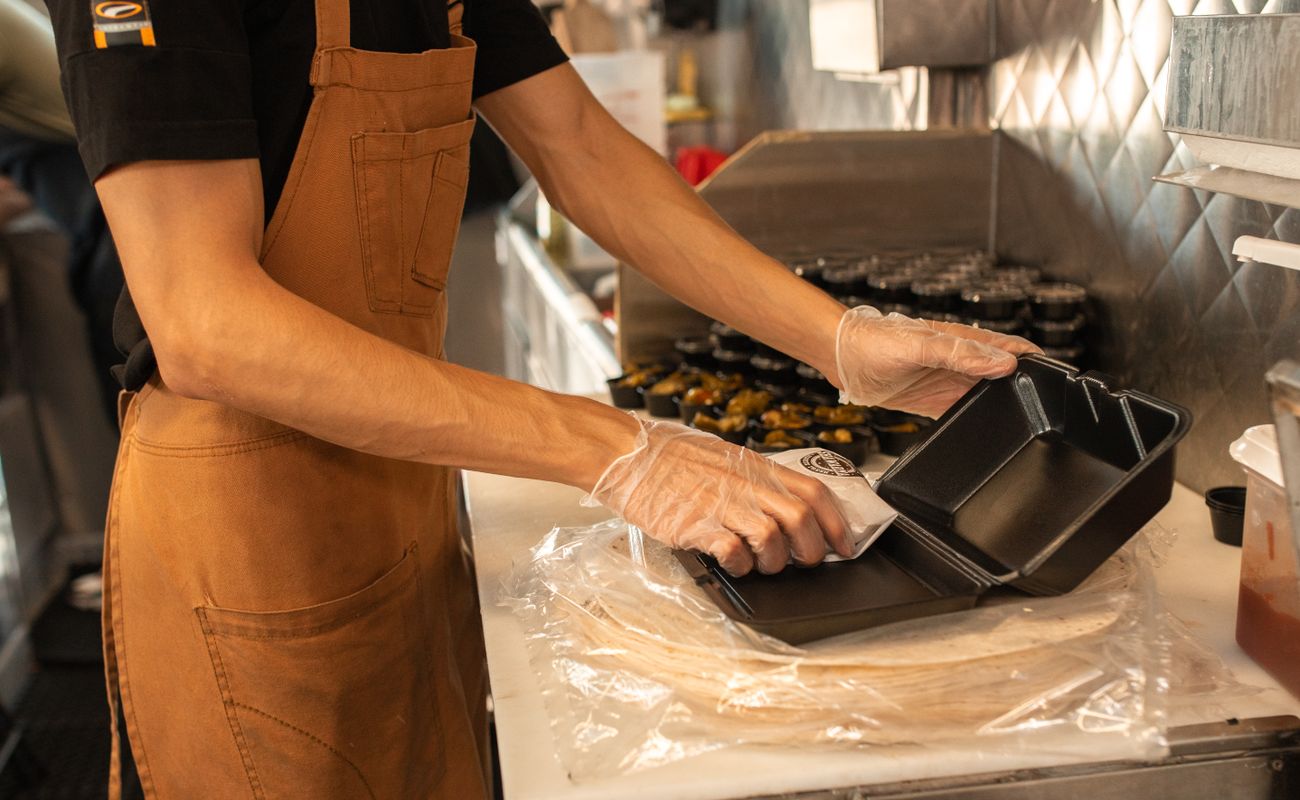
Article photograph: RDNE Stock project / Pexels.
Information reviewed 30 October 2026. Registry, tax and sector approvals are administered by their respective authorities. This guide provides general business-administration information and is not individual legal, tax, accounting or technical certification advice.